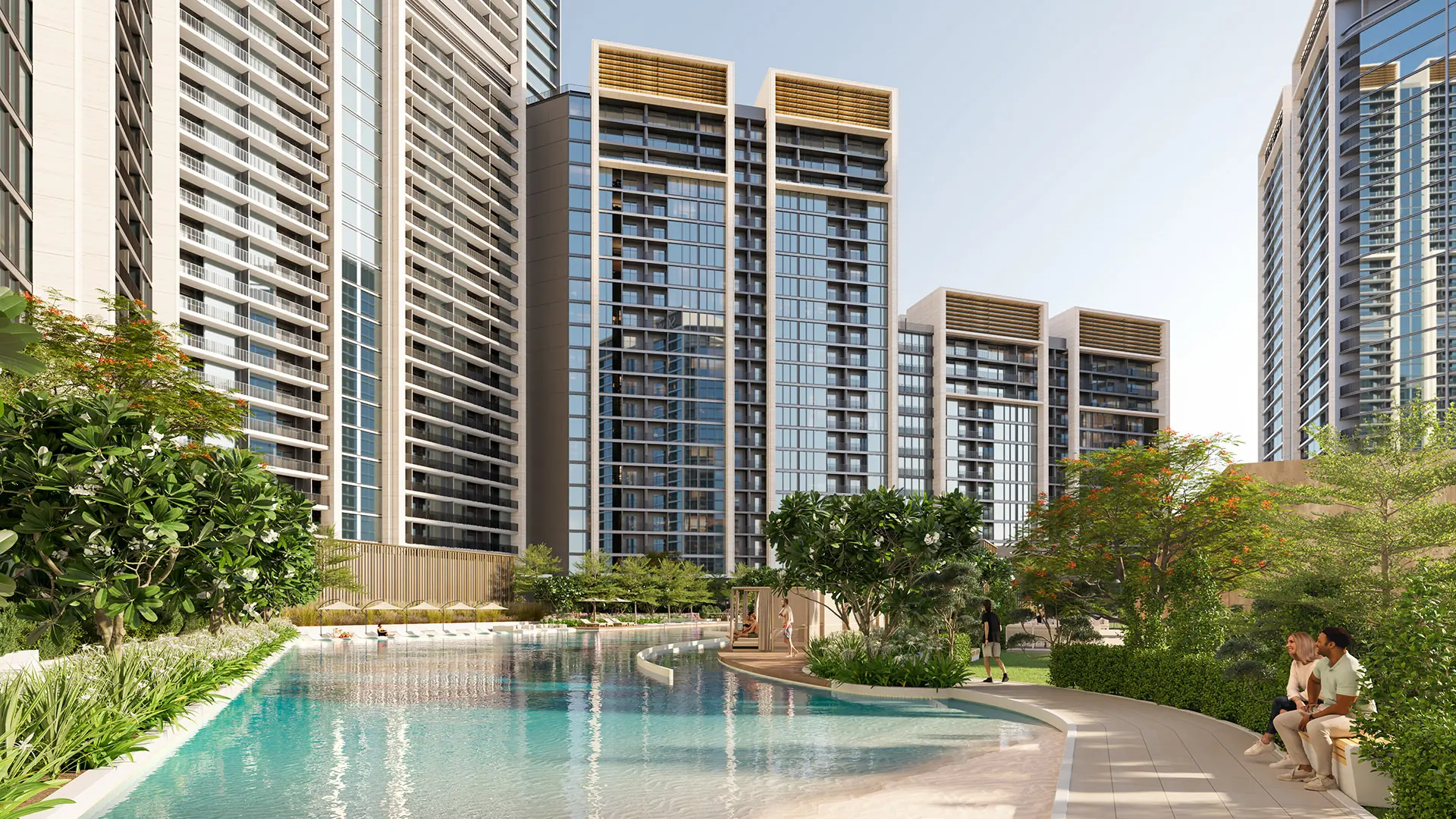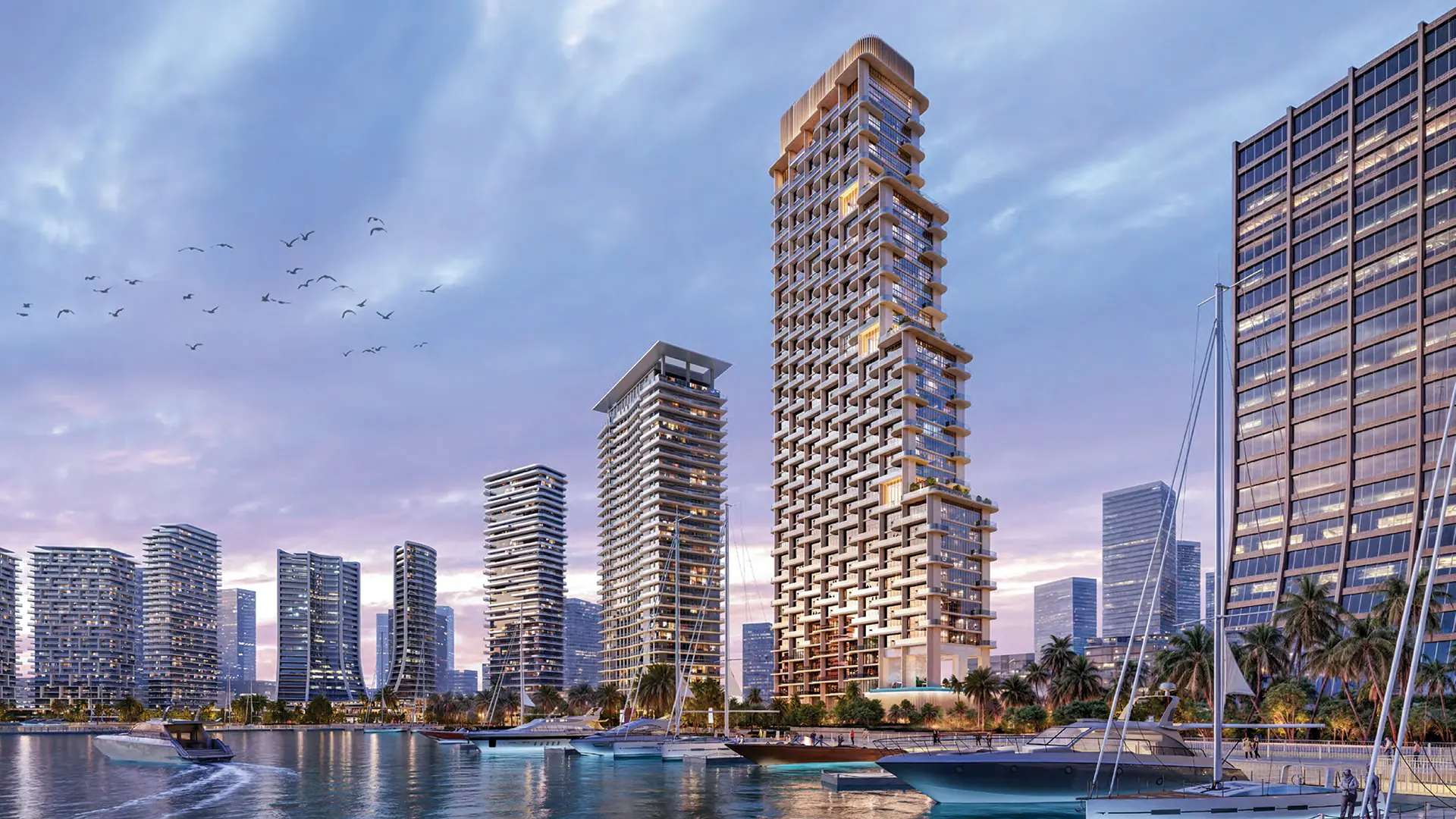
A property's cost is more than its list price. Which items apply depends on how you buy — we put the two side by side.
Two buyers purchase the same apartment at the same price, yet the cash they pay differs. The difference comes from how they buy: the items on an off-plan purchase and on a resale are not the same.
| Item | Off-plan | Resale |
|---|---|---|
| List price | 1,100,000 | 1,100,000 |
| DLD transfer fee (4%) | 44,000 | 44,000 |
| Oqood registration & admin fees (~0.5%) | ~5,500 | — |
| Commission / advisory (2%) | — | 22,000 |
| Title transfer & admin fees (~0.5%) | — | ~5,500 |
| Utilities (DEWA etc.) | paid by tenant | paid by tenant |
| Total investment | ≈ 1,149,500 | ≈ 1,171,500 |
As a rate: about ≈4.5% comes on top of the list price on off-plan, and ≈6.5% on resale. Amounts are in AED.
On off-plan the seller is the developer, and the developer covers the sales channel's fee. On resale the seller is a property owner; the advisory fee on the buyer's side appears as a separate item. That doesn't make resale "expensive" — what you get in return is different.
Most buyers build their budget on the list price and don't set aside a separate item for fees. On a 1.1 million purchase that means a gap of AED 49,500-71,500. In every offer we don't bury fees in the list price; we write them as separate lines.
This gap has a second effect: the yield rate changes depending on which amount it is divided by. The same rental income comes out higher when divided by the list price, and lower when divided by the total cost including fees. Both figures are correct — but which one is being discussed should be in writing. In our example scenario the difference is about 0.3 points (7.3% versus 7.0%).
On off-plan, some items come in not at purchase but at handover, and are forgotten in the first-year budget:
These are not large amounts, but together they affect first-year cash flow. In the offer table we keep a separate block called "items due at handover".
Where payments go: on off-plan, payments are made to the developer's DLD-supervised escrow account. A request for cash or a transfer to a personal account is a warning sign.
Sources: fee, commission and registration rates — Dubai Land Department tariffs. The AED 1.1M example is indicative; admin fees vary by project.
No. It is fixed at 4% and paid to the government. The items that can vary are commission and admin fees; these also differ by project, developer and sales channel.
Bank-side items are added on top: valuation, loan arrangement fee and mortgage registration. Amounts vary by bank — we work out your own table in a Mortgage consultation.
The DLD fee is fixed; the rest varies. That is why, instead of a general rate like "about 5%", we write the items one by one in every offer.
We will send — to your email address as a PDF. The full guide can also be read on the website.
A free 20-minute call with our advisers. Not a sales call — we look at your budget and your goals together.
Click for a free consultation